

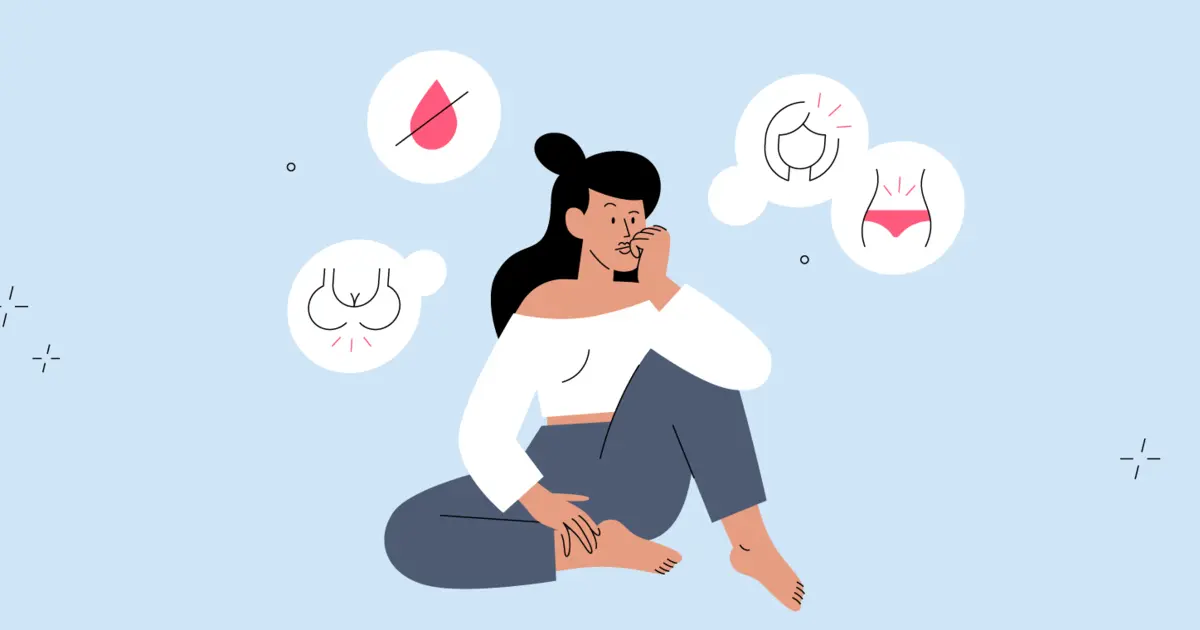
Feeling Premenstrual Syndrome (PMS)-like signs when your period does not arrive usually reflect regular hormone shifts or a temporary change in ovulation timing. This pattern is often called premenstrual symptoms without period and can result from stress, perimenopause, early pregnancy, or an anovulatory cycle.
Most cases resolve on their own, but new or severe symptoms deserve medical review. The sections below explain common causes, simple checks, and when to seek care.
This article explains why PMS-like symptoms can appear even when bleeding does not. SensIQ – a neurologist-guided, protocol-based supplement system – supports brain and mood balance during hormonal transitions, formulated with physician oversight to promote clarity and safety.*
The goal is to validate your experience and help you take informed, evidence-informed next steps.
Key Takeaways
- Most cases of premenstrual symptoms without period occur when hormone levels fluctuate, or ovulation is delayed, causing PMS-like sensations without bleeding.
- Stress, lifestyle changes, or early pregnancy can temporarily affect your menstrual cycle and create symptoms such as breast tenderness, bloating, or mood shifts.
- Medical factors like perimenopause, thyroid changes, anovulation, or polycystic ovary syndrome (PCOS) can also influence the timing and intensity of symptoms.
- Tracking patterns for two to three cycles and noting pregnancy test results or hormonal birth control changes can help clarify what’s normal.
- Consult your doctor if you experience ongoing irregular cycles, severe pain, or repeated missed periods, as these may need professional evaluation.
Why Am I Experiencing PMS Symptoms but No Period?
Feeling cramps, breast tenderness, bloating, or low mood without bleeding can occur when hormone levels fluctuate in the late luteal phase.
These physical and emotional symptoms resemble the symptoms of PMS, even if the period starts later or not at all that cycle. Many people call this a phantom period because the body sends signals without visible bleeding.
Hormonal Shifts and Phantom Period Sensations
Short-term hormone imbalances can trigger phantom periods in perimenopause, often causing tender breasts, fatigue, or irritability even when ovulation is delayed.
These sensations may reflect normal cycle-to-cycle variability, sleep loss, or recent weight loss. Some will notice symptoms, including cramps or headaches, for a few days, then no flow as the uterine lining remains thin. Tracking patterns for two to three cycles helps separate a one-off change from an emerging trend.
Pregnancy-Related Reasons for PMS Symptoms and No Period
Early pregnancy can present as period symptoms but no period, including nausea, tender breasts, or mild cramping. If you have a missed period with PMS symptoms, use a pregnancy test after the first day your period is late, then repeat in 48 hours if negative.
High levels of Human Chorionic Gonadotropin (hCG) rise over time, so that an early test may miss it. If pain is focal or severe, contact a clinician to rule out non-routine causes.
Stress, Lifestyle Changes, and Delayed Bleeding
Significant stress can affect your menstrual cycle by increasing cortisol and altering ovulation timing. Intense exercise, travel, acute illness, or rapid weight change can also play a role.
These factors can create PMS symptoms without a period during an otherwise normal month. If cycles remain irregular for three or more months, consider consulting your doctor.
Medical Causes of Premenstrual Symptoms Without Bleeding
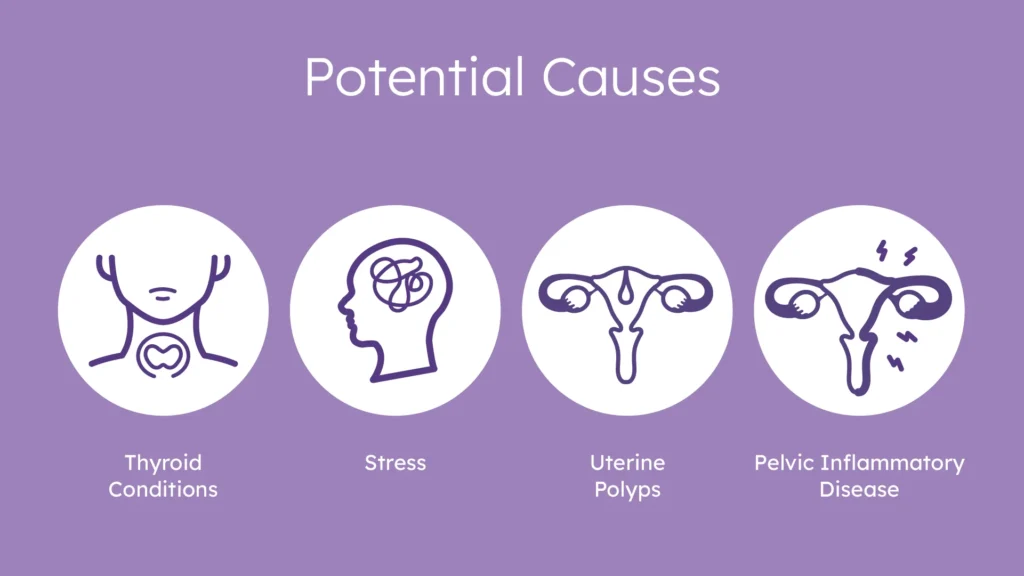
Some explanations require clinical context and follow-up. Perimenopause, anovulation, thyroid dysfunction, and polycystic ovary syndrome (PCOS) can all produce PMS-like changes without bleeding.
Perimenopause and “Period-Like” Symptoms Without Blood
In perimenopause, ovulation becomes inconsistent, which can cause irregular or skipped cycles alongside cramps, breast tenderness, and mood changes. This is common in the 40s, and it can start earlier for some.
You may also notice strange symptoms of perimenopause that appear before your periods become irregular. Unpredictable ovulation means the uterine lining may not build enough to bleed every cycle. Persistent changes or bleeding after a long gap should prompt evaluation.¹
Anovulation and Irregular Ovulation
An anovulatory cycle means an egg is not released, yet physical and emotional symptoms may still occur. Without ovulation, progesterone stays low, and the uterine lining may not shed on time, producing period symptoms but no period.
Hormone imbalances are a common driver, and patterns often improve with lifestyle adjustments or structured support for balance. A clinician may suggest labs or cycle tracking to confirm.²
Thyroid, PCOS, and Other Underlying Conditions
Thyroid disorders can affect your menstrual cycle and energy, leading to irregular timing with PMS-like sensations. In PCOS, hormone imbalances involving androgens and insulin can disrupt ovulation and lead to long intervals between cycles, with symptoms including acne or tender breasts.
These conditions may be managed through lifestyle changes, such as balanced nutrition and regular activity, or through medical evaluation where appropriate.
SensIQ protocols help support focus and emotional well-being alongside professional care.* Evidence suggests PCOS can cause irregular cycles due to altered ovarian signaling.
How Birth Control and Medications Affect Cycles
Hormonal birth control and some medications can reduce or pause bleeding while leaving mild PMS-type sensations as a side effect. Learn more about the best birth control options for premenopausal women to understand how different formulations may affect your cycle.
With birth control pills, some notice cramping or breast tenderness during placebo days, even if the flow is light. If you recently changed a dose or method, cycle effects may take several months to stabilize. Seek care if pain, unusual bleeding, or mood changes escalate.
Missed Period With PMS Symptoms: Normal or Concerning?
Some patterns are common and self-limited, while others signal a need for care. Clear thresholds help you decide.
Common Patterns That Are Usually Normal
A single late or missed bleed with PMS-type sensations often reflects a benign cycle shift. Travel, stress, brief illness, or recent weight loss can explain it. If the next cycle returns to baseline, no action may be required. Continue routine tracking to confirm stability.³
Warning Signs That Need Medical Attention
Contact a clinician if pain is severe, if bleeding is very heavy when the period starts, or if you notice fever or unusual discharge. Seek care for pelvic pain with bleeding between periods or pain with sex, which can indicate pelvic inflammatory disease PID or other conditions.
Persistent absence of bleeding for three months, new severe breast tenderness, or repeated negative pregnancy tests with ongoing symptoms also warrant review.
How to Track and Understand These Symptoms
Simple tools improve clarity and reduce worry. Better records also help your clinician.
Tools for Monitoring Cycles and Symptoms
Use a calendar or app to note ovulation signs, breast tenderness, sleep, mood, and exercise. Add the results of any pregnancy test to the same log. Include details on hormonal birth control, new medications, or supplements. Consistent notes make patterns obvious and guide decisions.
What Clinicians Evaluate During an Appointment
Expect questions about timing, cycle length, and changes in the uterine lining, such as spotting or heavy flow. A clinician may order labs for hormone levels or thyroid function and may screen for polycystic ovary syndrome PCOS when cycles are widely spaced.
They may also rule out pelvic inflammatory disease PID if pelvic pain or fever appears. Dr. Luke Barr, Chief Medical Officer at SensIQ, recommends pairing symptom tracking with clear questions to make healthcare visits more productive and collaborative.*
Practical Steps You Can Take Today
- If your period is late, take a pregnancy test, then repeat in 48 hours if the first test is negative and symptoms persist.
- Review stress, travel, training load, or weight loss that could affect your menstrual cycle.
- If on hormonal birth control, note any recent changes and log side effect patterns.
- Bring two to three cycles of notes when talking to your doctor to speed up the assessment.
- If you are in midlife and cycles are shifting, consider a perimenopause check-in to discuss sleep, focus, and mood support.
SensIQ can complement your wellness routine with educational resources that help you understand physical and emotional changes. Our physician-guided team develops non-hormonal support options designed to help promote calm, focus, and overall well-being.*
References
- Takeda T. Premenstrual disorders: Premenstrual syndrome and premenstrual dysphoric disorder. J Obstet Gynaecol Res. 2023 Feb;49(2):510-518. doi: 10.1111/jog.15484. https://pubmed.ncbi.nlm.nih.gov/36317488/
- Liguori F, Saraiello E, Calella P. Premenstrual Syndrome and Premenstrual Dysphoric Disorder’s Impact on Quality of Life, and the Role of Physical Activity. Medicina (Kaunas). 2023 Nov 20;59(11):2044. doi: 10.3390/medicina59112044. https://pubmed.ncbi.nlm.nih.gov/38004093/
- Foster C, Al-Zubeidi H. Menstrual Irregularities. Pediatr Ann. 2018 Jan 1;47(1):e23-e28. doi: 10.3928/19382359-20171219-01. https://pubmed.ncbi.nlm.nih.gov/29323693/
*These statements have not been evaluated by the Food and Drug Administration. This product is not intended to diagnose, treat, cure, or prevent any disease.