


Brain fog is a mix of slow thinking, low focus, and mental tiredness that can affect daily life. Learning how to combat brain fog starts with understanding common causes, not with quick fixes.
Sleep, stress, hormones, and health factors often work together. Changes usually happen over time, not all at once. The sections below explain what brain fog is, why it happens, and what may help manage it.
This article explains how brain fog develops and how clinicians typically view it. SensIQ is mentioned here as a neurologist-informed educational framework that focuses on understanding cognitive symptoms rather than outcomes.
The goal is to give clear, science-based information so readers can talk with their healthcare providers.
Key Takeaways
- Most cases of brain fog involve several factors, such as sleep, stress, hormones, and medications, rather than a single cause.
- Managing brain fog focuses on daily habits such as rest, hydration, and balanced nutrition, as improvements usually occur gradually.
- Hormonal changes during perimenopause or menopause can increase sensitivity to stress and sleep loss, often making symptoms more noticeable.
- Vitamins or supplements may support normal brain function when correcting deficiencies, but no single product has been shown to treat brain fog.
- Medical evaluation is important when brain fog affects daily life, as clinicians can identify underlying causes and guide safe management.
How to clear brain fog realistically
Most ways to manage brain fog focus on daily habits that support the brain. Regular sleep, lower stress, enough water, and steady meals help support focus and energy. Searches for how to clear brain fog often expect quick improvement, but clarity typically returns gradually as routines become more consistent¹.
Progress often means fewer bad days and steadier focus, not perfect thinking. Keeping simple notes on sleep, workload, and symptoms can help. These notes show patterns over time. Clinicians often use this information to guide care.
What brain fog feels like
Brain fog often feels like poor focus, slow recall, or trouble finding words. Tasks that felt easy may take more effort. Low energy or mild irritability can also appear. These signs reflect changes in attention and processing rather than brain damage².
Symptoms often fluctuate from day to day. Poor sleep or high stress can make them worse. Clear descriptions help separate brain fog from other problems. This helps during medical visits.
Why does brain fog happens
Brain fog can stem from multiple factors, including sleep disruption, stress, hormonal shifts, and other commonly reported
brain fog causes. Poor sleep can lower focus and memory. Ongoing stress can affect attention and mood. Hormones also affect brain signals linked to thinking. Illness or recovery can add to these effects.³
Medicines, low fluid intake, and poor nutrition may also play a role. These factors often overlap. Brain fog usually reflects several stresses at once. This is why there is no single solution.

Brain fog during hormonal changes
Hormone shifts can affect thinking by changing how the brain works. Estrogen and progesterone affect memory and mood. During perimenopause and menopause, hormone levels can often change. This can increase sensitivity to stress and poor sleep.⁴
Those seeking information onhow to fix brain fog during these stages often notice uneven symptoms. Periods may continue, yet thinking feels different. Because the timing varies, symptoms are sometimes missed. Hormone changes help explain these patterns.
Brain fog linked to medications
Some medicines list mental slowing or tiredness as side effects. Common examples include some allergy drugs, pain medicines, and mood treatments. These effects may be short-term or dose-related. Looking at when symptoms start can help find links.
For those exploring how to get rid of brain fog from medication, it is important to know that symptoms are often managed, not erased. Medicines should not be stopped without medical advice. A clinician can review options safely. Written notes help guide this review.
Vitamins, supplements, and quick fixes
Interest is common aroundvitamins or products for focus, including herbal options often discussed in relation to stress and cognition, such as ashwagandha and brain fog.
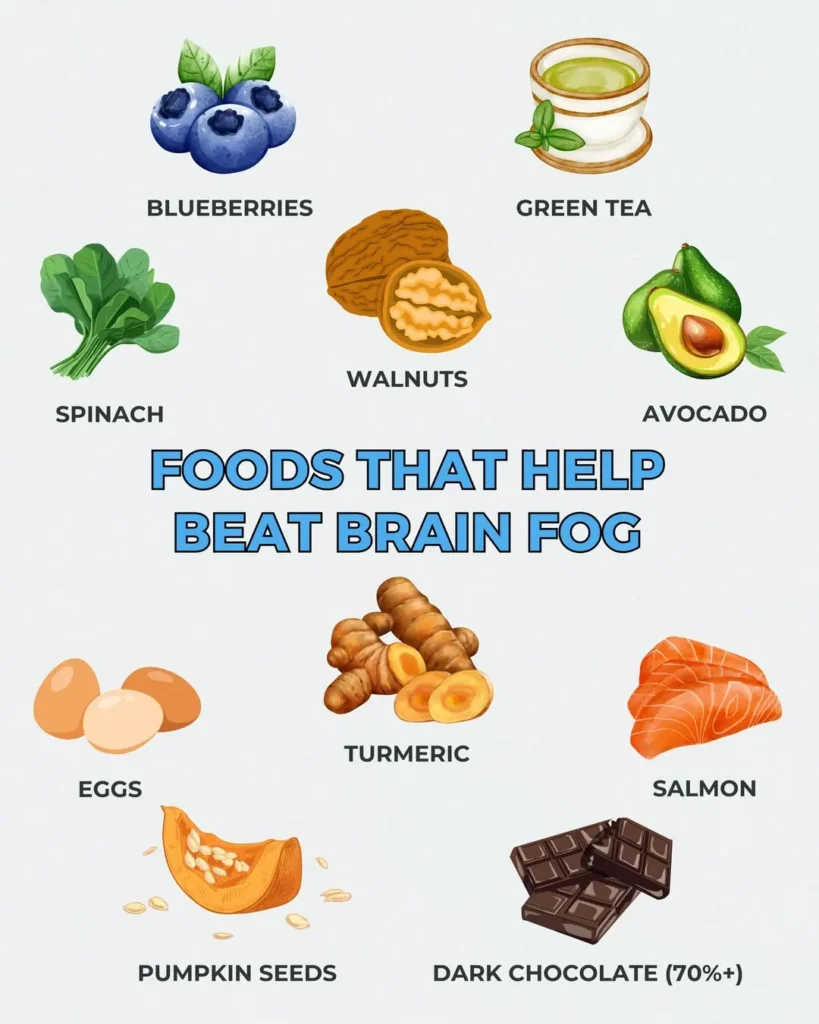
Research suggests that addressing true nutrient deficiencies may support normal brain function, a topic often discussed in relation to diet patterns, such as brain fog and vegan nutrition.
When no deficiencies are present, results vary and are often mixed.⁵ Questions like “Which vitamin helps with brain fog?” show the wish for a simple answer, but no single vitamin treats brain fog for everyone.
Some tools may raise alertness for a short time. This does not mean lasting clarity or treatment.² Claims of instant results often miss deeper causes. Clinicians usually describe supplements as support, not cures.
Can brain fog be cured, or is it permanent?
Brain fog is a group of symptoms, not a disease. In many cases, symptoms change over time and often improve when causes are addressed. This means brain fog is not usually permanent. The pace of change depends on health and stress.
Stories of full recovery reflect personal cases. They do not predict what will happen to others. Knowing this helps set fair expectations. Management aims to reduce symptoms, not promise results.
When to seek professional guidance
Medical care is helpful when brain fog affects work, safety, or daily tasks. New or fast changes, memory loss, or other nerve symptoms need review. A clinician can check for issues that need direct care. This step supports safety.
Dr. Luke Barr, Chief Medical Officer and a practicing physician, notes that thinking problems should be reviewed in the context of overall health. Clear discussion helps plan next steps. Working with a healthcare professional remains important.*
References
- Cleveland Clinic. (2024). Brain fog. Cleveland Clinic. https://my.clevelandclinic.org/health/symptoms/brain-fog
- Hydrocephalus Association. (2025). Brain fog: Simple productivity hacks for clearer thinking. Hydrocephalus Association. https://www.hydroassoc.org/brain-fog-productivity-hacks/
- Marin, M.F., Lord, C., Andrews, J., Juster, R.P., Sindi, S., Arsenault-Lapierre, G., Fiocco, A. J., & Lupien, S. J. (2011). Chronic stress, cognitive functioning and mental health. Neurobiology of learning and memory, 96(4), 583–595. https://pubmed.ncbi.nlm.nih.gov/21376129/
- Salamon, M. (2022). Menopause and brain fog: What’s the link? Harvard Health Publishing. https://www.health.harvard.edu/womens-health/menopause-and-brain-fog-whats-the-link
*These statements have not been evaluated by the Food and Drug Administration. This product is not intended to diagnose, treat, cure, or prevent any disease.