


What Is Brain Fog?
Brain fog describes a set of thinking problems, not a disease. It can affect focus, memory, and mental speed. People often notice trouble concentrating, slower thinking, or difficulty recalling information.
Medical sources explain brain fog as a response to stress, both internal and external, rather than as brain damage. Clinicians use the term to describe symptoms. They do not use it as a formal diagnosis.¹
Key Takeaways
- Brain fog is a set of cognitive symptoms, not a medical diagnosis, and it often reflects how the brain responds to stressors such as poor sleep rather than permanent damage.
- Poor or disrupted sleep can reduce mental clarity by limiting the brain’s ability to restore normal communication between brain cells, with effects that may appear after one bad night or build over time.
- Sleep-related conditions like sleep apnea or sleep paralysis can contribute to daytime cognitive fog by interrupting deep, restorative sleep.
- Brain fog linked to sleep loss is usually temporary, but symptoms that persist, worsen, or interfere with daily life may require medical evaluation.
- Improving sleep consistency, managing stress, and understanding individual health factors are central to supporting cognitive clarity and deciding when to seek clinical guidance.
Can Poor Sleep Cause Brain Fog?
Sleep supports attention, learning, and emotional balance. When sleep is short or broken, the brain has less time to recover. Normal communication between brain cells becomes less efficient.
Many studies link sleep deprivation and brain fog with lower mental clarity during the day. Symptoms may appear after a single night of poor sleep or increase over time.²
How Sleep Loss Affects Brain Function
Lack of sleep and brain fog explained
Sleep helps clear waste from the brain and maintains neural connections. When rest is limited, these processes slow down. Thinking may feel less sharp or less organized.
This experience is often characterized by sleep deprivation and brain fog. It reflects strain on brain function rather than permanent harm.³
Brain fog from sleep deprivation
Long-term sleep loss affects attention and memory systems. Research shows that people who are chronically sleep-deprived process information more slowly. Working memory also becomes less reliable.
Sleep deprivation can affect focus and memory, as explained in sleep deprivation brain fog.
These changes can affect daily tasks that need focus. Symptoms often worsen when sleep problems persist.⁴
Brain Fog Symptoms
Common cognitive symptoms
Brain fog symptoms often include mental tiredness, poor focus, and slow recall. Some people struggle to multitask or follow conversations. These symptoms can change from day to day.
They often improve after better sleep. Severity depends on sleep quality and sleep length.
How symptoms affect daily life
Cognitive changes can affect work, decisions, and emotional control. Tasks that felt easy may require more effort. This can increase frustration.
Many people notice that anxiety symptoms can interfere with focus, memory, and mental clarity during daily activities.
In most cases, these effects improve when underlying causes are addressed. Understanding this can reduce worry.
Sleep Conditions Linked to Brain Fog
Brain fog sleep apnea
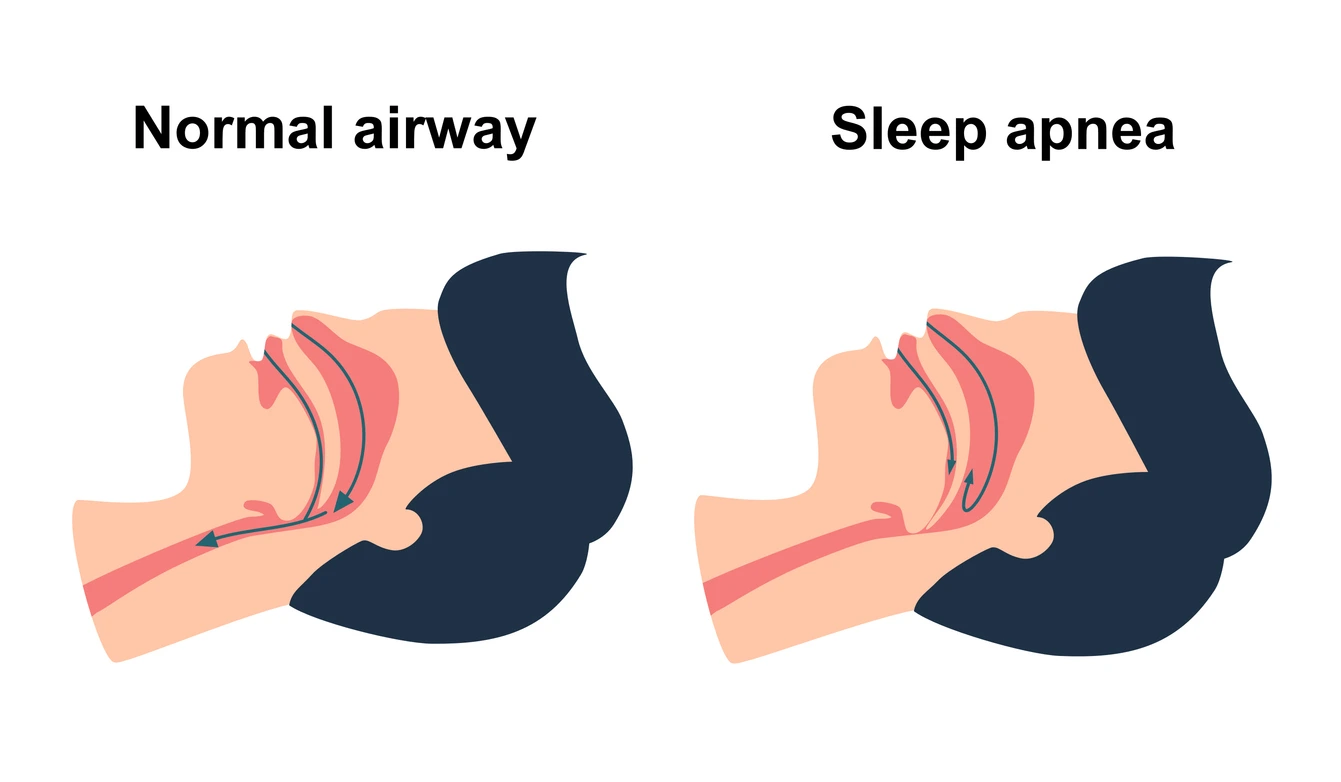
Sleep apnea is characterized by repeated pauses in breathing during sleep. These pauses reduce oxygen flow to the brain. Frequent awakenings prevent deep sleep.
Many people with untreated apnea report daytime brain fog. Care usually focuses on improving sleep quality rather than treating cognition alone.
Brain fog, sleep paralysis
Sleep paralysis occurs during transitions between sleep and wakefulness. Episodes are brief but can disrupt sleep and increase anxiety. Some people notice mental fog the next day.
This condition reflects sleep regulation problems, not brain injury.
Why Brain Fog Can Persist
Stress and nervous system load
Stress affects the depth and duration of sleep. Ongoing stress can limit recovery even with sufficient sleep. This can extend cognitive symptoms.
Clinicians often assess stress as part of an evaluation.
Hormonal and circadian factors
Hormones and body clocks help regulate sleep timing. Changes can affect sleep quality. These shifts often occur during midlife or schedule changes.
Hormone signals vary between people. This explains why recovery feels different for each person. Hormonal changes can affect focus and memory, as explained in hormones and brain fog.
What Helps When Sleep Triggers Brain Fog
Supporting clarity after poor sleep
Clinicians often discuss regular sleep times, light exposure, and stress reduction. These steps support normal brain recovery. They are not treatments.
Improvement usually happens slowly. Consistency matters more than quick changes.
At-home approaches, people discuss
Many people adopt sleep hygiene practices, reduce screen time, or engage in relaxation routines. These actions aim to improve sleep rather than cognition directly.
Research suggests they help some people more than others. Results depend on the cause of sleep problems.⁵
Is Brain Fog Dangerous?
When symptoms are temporary
Brain fog after poor sleep is common. It usually resolves with rest. It does not mean brain damage.
Tracking patterns over time can help guide next steps.
When evaluation matters
Ongoing or worsening symptoms may need medical review. Clinicians look at sleep, mental health, medications, and other health conditions.
Early evaluation helps identify treatable factors. This supports safety and peace of mind.
How Brain Fog Is Evaluated
Is there a brain fog test?
There is no single test for brain fog. Clinicians rely on history, sleep review, and, at times, cognitive screening.
The goal is to find contributing factors. This matches current medical practice.
What clinicians usually assess
Evaluation often includes sleep habits, stress, and medical history. In some cases, clinicians assess sleep disorders or metabolic issues.
This process guides care discussions. SensIQ references this clinical approach in educational materials reviewed under the oversight of Dr. Luke Barr, Chief Medical Officer.
When to Seek Medical Care

Medical care is appropriate when symptoms last, disrupt daily life, or worsen despite rest. New neurological symptoms also need evaluation.
Clinicians help decide whether testing or referral is needed. This supports informed care decisions.
Brain Fog and Sleep: Common Questions
Many people ask if low sleep alone can cause brain fog. Others ask why recovery time varies. These concerns are common.
Learn how sleep quality, sleep duration, and overall health shape recovery, and which factors may be most relevant in your case.
References
- Cleveland Clinic. (2024). Brain fog: Symptoms, causes, and treatment. https://my.clevelandclinic.org/health/symptoms/brain-fog
- Healthline. (2022). Foggy brain and lack of sleep. https://www.healthline.com/health-news/foggy-brain-lack-of-sleep
- National Institutes of Health. (2025). Sleep and brain health. https://www.ninds.nih.gov/health-information/public-education/brain-basics/brain-basics-understanding-sleep
- Killgore, W. D. S. et al. (2025). Effects of chronic sleep deprivation on cognitive performance. PubMed. https://pubmed.ncbi.nlm.nih.gov/40486440/
- Institute of Medicine. (2020). Sleep disorders and sleep deprivation. https://www.ncbi.nlm.nih.gov/books/NBK19960/