

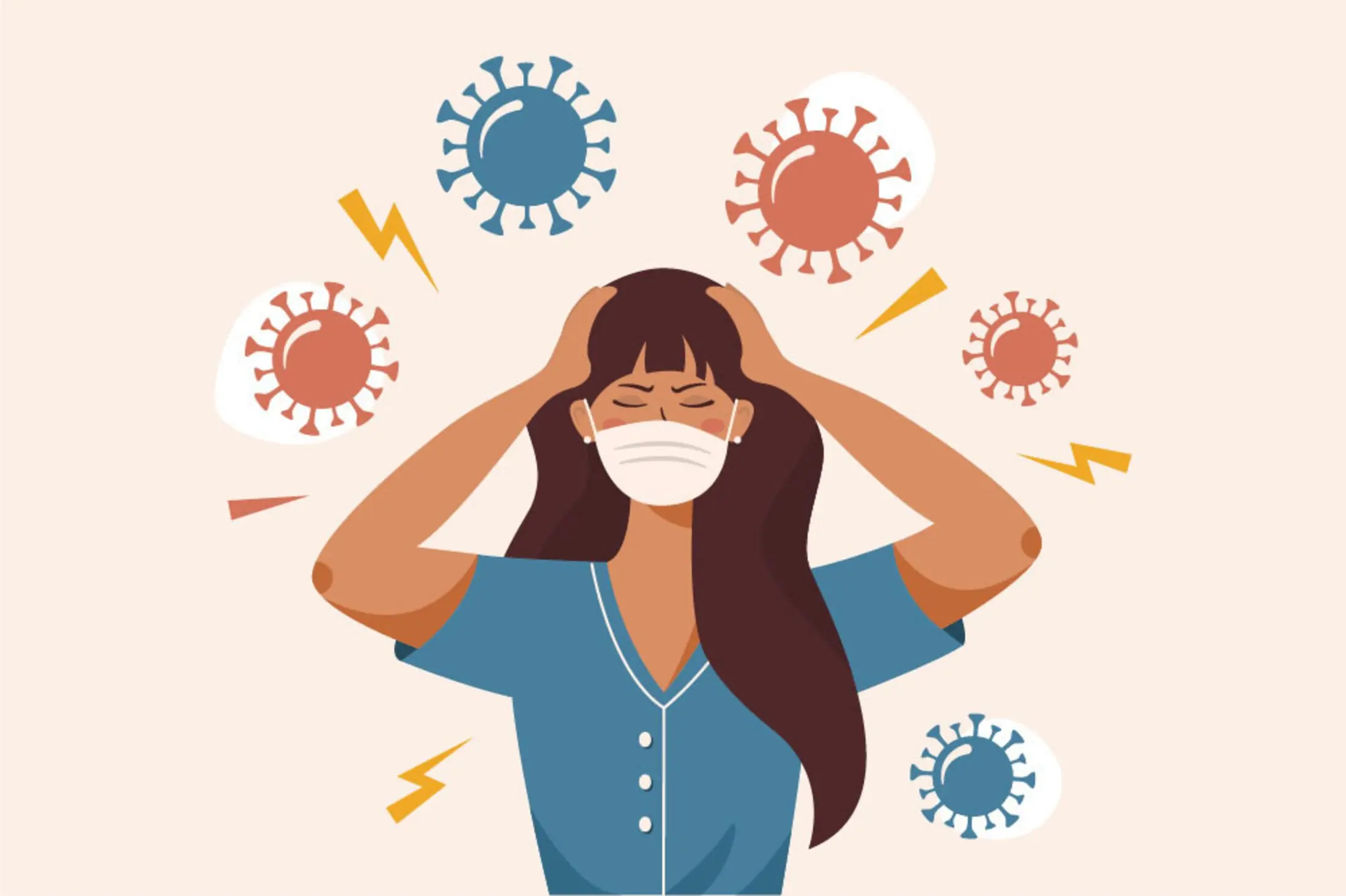
Many people feel exhausted, mentally slow, or low on stamina after having COVID-19. These changes can affect energy levels, focus, and the ability to keep up with everyday routines, even after other symptoms fade.
COVID fatigue refers to the ongoing physical or mental strain that can complicate recovery. It does not affect everyone in the same way and can change over time. The sections below explain what this fatigue looks like, why it may happen, and what to consider next.
This article is a clear, medical explainer. It reviews what people report, what research suggests about possible causes, and when medical guidance may help. Educational efforts from clinician-led teams such as SensIQ focus on explaining brain and body changes in simple terms and do not replace care from a medical provider.
Key Takeaways
- COVID fatigue is a familiar and long-lasting feeling of physical or mental exhaustion that can persist after a COVID-19 infection.
- Symptoms may include low energy, slowed thinking, and brain fog that affect daily activities and quality of life.
- Fatigue can begin during the initial infection or weeks later and may last for weeks or months, sometimes longer in people with long COVID.
- Researchers suggest that immune and nervous system changes may contribute to these symptoms, though recovery timelines vary widely.
- Pacing, good sleep habits, and guidance from a healthcare professional can help manage symptoms safely during post covid recovery.
What COVID Fatigue Is
Feeling tired after an illness is common and has been seen after many viral infections. COVID fatigue differs from normal tiredness because rest often does not help. A good night of sleep may not restore energy. Many people describe COVID-19 tiredness as heavy and constant rather than mild or short-lived.¹
This fatigue can affect both the body and the mind simultaneously. A person may feel weak and also struggle to think clearly. These combined effects can disrupt daily life more than simple tiredness. Knowing this difference helps set realistic goals during recovery.
COVID Fatigue Symptoms
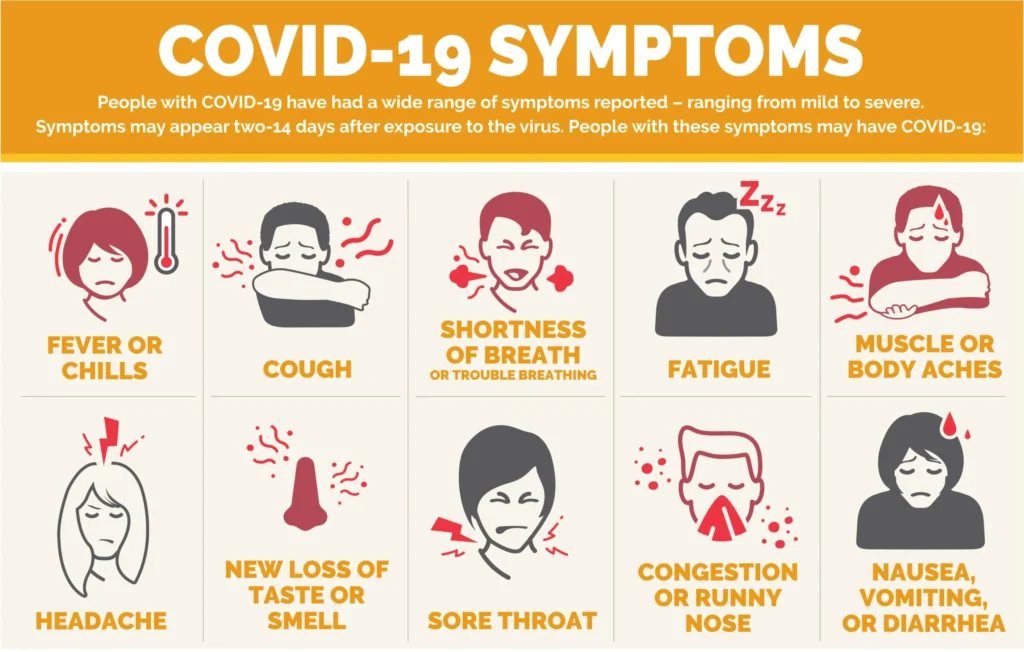
People report a wide range of symptoms linked to fatigue. Common issues include low stamina, slow thinking, and trouble staying focused.
Some experience COVID exhaustion without fever or breathing trouble, which can feel confusing. Others notice headaches, muscle heaviness, or covid brain fog that affects planning and memory.²
Cognitive symptoms linked to fatigue
Many people report trouble with memory, attention, or word-finding. Tasks that once felt simple may take more effort. These changes can affect work and household responsibilities. They often fluctuate during recovery.
Physical symptoms beyond tiredness
Fatigue may be accompanied by muscle weakness or a heavy feeling in the body. Even light activity can feel draining. This can limit movement and endurance during recovery. Symptoms may vary from one day to the next.
Symptoms often change from day to day. Poor sleep can worsen fatigue, and fatigue can also disrupt sleep. These patterns can lower the quality of life if left unrecognized. Clinicians note that these are reported symptoms seen across many patients.
When COVID Fatigue Starts
Fatigue may begin during the initial infection or after other symptoms improve. Some people feel drained early in a COVID-19 infection, while others notice fatigue weeks later. This delayed start is common in post covid recovery and may come as a surprise.³
The timing does not always predict recovery length. A person’s health history or another risk factor may play a role. Even mild illness can lead to lingering fatigue. Understanding when symptoms start can help guide pacing.
Why COVID Causes Fatigue
Several factors may contribute to fatigue after COVID-19. Ongoing immune activity and inflammation can affect how the body uses energy. Changes in the nervous system may disrupt sleep, focus, and stress control. These effects help explain why fatigue feels different from normal tiredness.
Most evidence comes from observational study data. Such studies show patterns but not direct causes. Current research suggests links rather than straightforward answers. Clinicians use this information to guide care while more data emerges.
How Long Does COVID Fatigue Last?
Recovery times vary. Some people feel better within weeks or months, while others report symptoms lasting longer. In post-COVID-19 recovery, fatigue may improve and then return. A group of patients, including people with long COVID, report symptoms that last months or years.⁴
Why recovery timelines differ
Recovery can depend on health status, stress, sleep, and activity levels. Overexertion early in recovery may worsen symptoms. Gradual pacing may support steadier improvement. There is no single recovery path.
There is no single timeline for recovery. Duration may depend on health status, activity levels, and how rest is managed. Flexible expectations can help protect the quality of life during recovery.
Managing COVID Fatigue
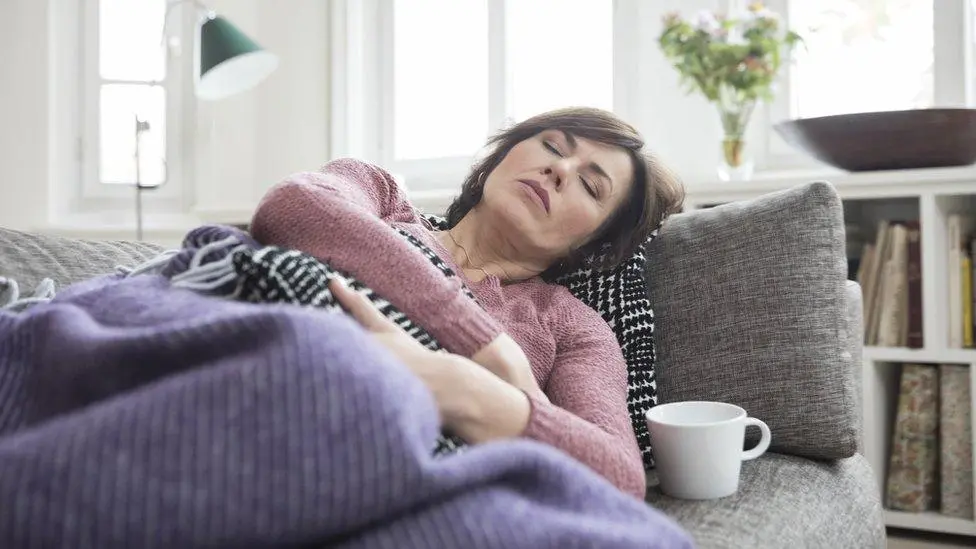
Care focuses on safety and balance, not quick fixes. Clinicians often suggest tracking symptoms, breaking tasks into smaller steps, and setting limits that support daily activities.
Some people also explore topics like adaptogenic herbs for adrenal fatigue as part of understanding energy regulation, though these should be discussed with a healthcare professional. Sleep matters, but sleeping longer on its own may not solve fatigue. Planning can help with day-to-day function.⁵
Practical pacing in daily routines
Pacing means matching activity to available energy. This can include short rest periods, planning tasks earlier in the day, and avoiding overexertion on “good” days. These steps help reduce symptom flare-ups and support steadier recovery over time.
Support should be tailored to the person. A healthcare professional can check for other causes and guide the next steps. Clinical leaders such as Dr. Luke Barr, Chief Medical Officer and neurologist, stress careful review and plans based on evidence, not assumptions.
When to Seek Medical Advice
Medical input is essential if fatigue worsens or limits self-care. New nerve symptoms, chest pain, or severe sleep problems also need review. Ongoing decline after recovery may point to long COVID-19 and benefit from coordinated care. Early guidance can clarify options.
Living With COVID Fatigue
Living with fatigue often means adjusting routines and expectations. Many people benefit from planning rest, setting priorities, and explaining limits at work or home.
These steps can support daily life while recovery continues. Clear information helps reduce stigma and supports coping. Readers experiencing overlapping tiredness from hormonal changes may also find does menopause make you tired a helpful read for broader context.
Adjusting expectations during recovery
Progress may be uneven. Good days can be followed by harder days. Planning for flexibility can reduce frustration. Minor adjustments can support long-term recovery.*
References
- Guy’s and St Thomas’ NHS Foundation Trust. (2024). Extreme tiredness (fatigue). Guy’s and St Thomas’ NHS Foundation Trust. https://www.guysandstthomas.nhs.uk/health-information/coronavirus-covid-19-recovery/extreme-tiredness-fatigue
- Mayo Clinic Staff. (2024). Long COVID – lasting effects of COVID-19. Mayo Clinic. https://www.mayoclinic.org/diseases-conditions/coronavirus/in-depth/coronavirus-long-term-effects/art-20490351
- National Institute for Health and Care Excellence. (2024). COVID-19 rapid guideline: managing the long-term effects of COVID-19. National Institute for Health and Care Excellence (NICE). https://www.nice.org.uk/guidance/ng188
- WebMD Editorial Contributors. (2025). What is COVID-19 fatigue? WebMD. https://www.webmd.com/covid/covid-fatigue
- World Health Organization. (2020). Post COVID-19 conditions. World Health Organization (WHO). https://www.who.int/teams/health-care-readiness/post-covid-19-condition
*These statements have not been evaluated by the Food and Drug Administration. This product is not intended to diagnose, treat, cure, or prevent any disease.