


Extreme fatigue and brain fog are states of profound tiredness accompanied by reduced mental clarity. People may feel physically drained and mentally slow simultaneously. Extreme fatigue and brain fog can affect focus, memory, and the ability to manage daily activities.
This pattern often reflects how the body and brain respond to stress, illness, or lack of recovery. The sections below explain why this happens and when it may need medical review.
SensIQ provides this article as an educational overview based on clinical sources. It explains how fatigue and cognitive symptoms can overlap, the factors that contribute, and how clinicians typically approach evaluation.
Key Takeaways
- Extreme fatigue and brain fog often occur together and can affect focus, memory, and the ability to manage daily activities.
- Poor sleep, hormonal changes, and metabolic or nutritional factors can reduce the brain’s energy supply and contribute to cognitive symptoms.
- Brain fog linked to fatigue is usually temporary, but symptoms that persist or worsen may need medical evaluation to rule out underlying conditions.
- In chronic fatigue conditions, cognitive symptoms may intensify after physical or mental effort and take longer to resolve.
- Understanding symptom patterns and triggers helps guide safe decisions about rest, evaluation, and next steps.
Can Extreme Fatigue Cause Brain Fog?
Yes, extreme fatigue can directly affect thinking. When the body has low energy, the brain struggles to maintain focus and speed.
Many people describe extreme fatigue, brain fog,g as slow thoughts or mental overload. These changes often improve when the underlying cause of fatigue is addressed. The timeline for recovery differs from person to person.
Brain Fog and Fatigue Causes
Sleep and recovery problems
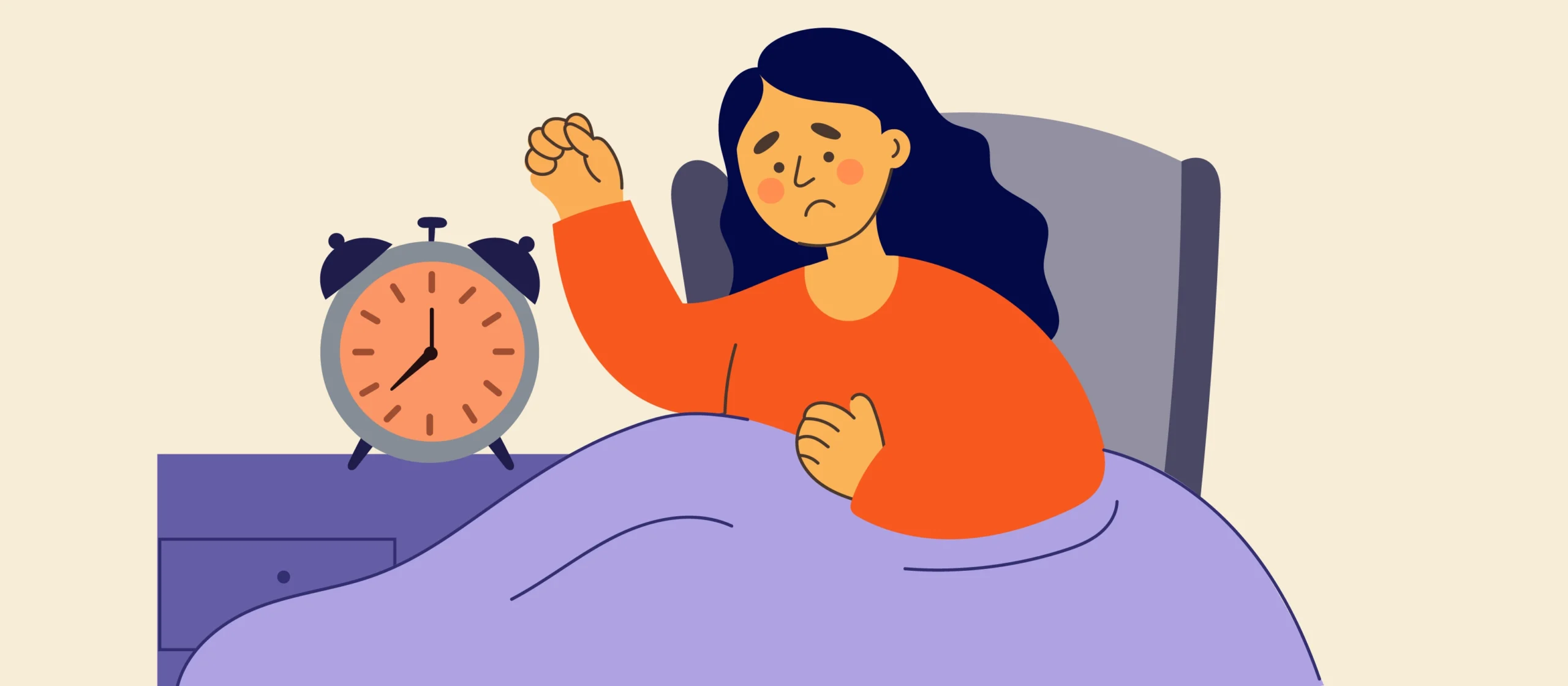
Sleep allows the brain to rest and reset. Poor sleep reduces attention and memory the next day. Persistent sleep problems can lead to persistent fatigue and cognitive impairment. Research supports a link between unrefreshing sleep and reduced mental clarity.¹
Many people find that sleeping and brain fog are closely connected, with poor sleep often leading to reduced focus and memory during the day.
Hormonal, metabolic, and nutritional factors
Hormones help regulate energy and focus. Changes in hormone levels can affect how alert a person feels. Metabolic or nutrient issues may also reduce energy production. Clinicians review these factors when symptoms continue.
Many women experience hormonal brain fog during midlife hormonal shifts, which can affect focus, memory, and daily thinking.
Brain Fog Symptoms
Common cognitive symptoms
Brain fog often includes trouble focusing and remembering details. People may feel mentally slow or distracted. Tasks at work or school may take more effort. Symptoms can change from day to day.
Why thinking can feel slowed
Fatigue affects how brain cells send signals. When energy is low, these signals move less efficiently. This can create a feeling that the brain is not keeping up. The change reflects strain rather than permanent loss.²
Patterns That Trigger Symptoms
After eating
Some people feel more tired and foggy after meals. Digestion and blood sugar shifts can reduce available energy. This pattern does not affect everyone. Noting timing helps guide evaluation.
Before the menstrual period

Hormone changes before a period can affect sleep and mood. These shifts may increase fatigue and brain fog. Some people notice clear monthly patterns. Responses vary between individuals.
Many people notice changes in focus and energy during the menstrual period, including temporary brain fog and mental fatigue.
When Fatigue Becomes Chronic
Symptoms seen in chronic fatigue conditions
In chronic fatigue syndrome (ME/CFS), fatigue is severe and long-lasting. People with ME CFS often report brain fog, sleep problems, joint pain, sore throat, and orthostatic intolerance. A common symptom is post-exertional malaise (PEM). Symptoms can worsen after physical or mental effort.³
How chronic fatigue differs from short-term exhaustion
Short-term fatigue improves with rest. Chronic fatigue does not. In ME CFS, recovery after activity may take days or longer. This difference is important during clinical review.⁴
Is Brain Fog Dangerous?
When symptoms are temporary
Brain fog linked to short-term fatigue is usually not dangerous. Symptoms often improve with better rest or recovery. Temporary fog does not mean brain damage. Tracking changes helps reduce worry.
When evaluation matters
Ongoing symptoms, extreme fatigue, brain fog, or body aches may require medical evaluation. Clinicians consider sleep problems, mental health, irritable bowel syndrome, and other conditions. The goal is to identify contributing factors and exclude serious causes.
How Brain Fog Is Evaluated
Is there a brain fog test?
There is no single test for brain fog. Clinicians rely on review of symptom history and patterns. Tests focus on possible causes, not the fog itself. This approach follows current medical practice.
What clinicians usually assess
Clinicians review sleep, activity tolerance, medications, and health history. They may screen for symptoms of ME, CFS, or chronic encephalomyelitis. SensIQ educational content reflects this clinical approach, under the guidance of Dr. Luke Barr, Chief Medical Officer.
Managing Brain Fog Expectations
What clinicians commonly discuss
Care discussions often focus on pacing and sleep routines. Stress reduction and relaxation techniques may help reduce strain. These steps support balance rather than promise results. Change usually happens over time.
Why quick-fix claims are misleading
Claims of instant recovery overlook the complexity of fatigue. Brain fog often has multiple causes. Research suggests recovery depends on duration, triggers, and overall health.⁵
When to Seek Medical Care
Medical care is appropriate when symptoms persist or worsen. Difficulty managing daily activities is another reason to seek help. New neurological symptoms also need review. Clinicians help guide safe next steps.
Common Questions About Extreme Fatigue and Brain Fog
Many people ask how long recovery takes and why symptoms vary among individuals.
Explore how long-term fatigue can affect mental health and why answers depend on cause, context, and individual factors.
References
- Cleveland Clinic. (2024, May 14). Brain fog: What it is, causes, symptoms & treatment. https://my.clevelandclinic.org/health/symptoms/brain-fog
- Centers for Disease Control and Prevention. (2024, May 10). ME/CFS signs and symptoms. https://www.cdc.gov/me-cfs/signs-symptoms/index.html
- National Health Service. (2024). Symptoms of chronic fatigue syndrome.ME/CFS. https://www.nhs.uk/conditions/chronic-fatigue-syndrome-cfs/symptoms/
- PubMed. (2025). Cognitive effects of chronic sleep loss. https://pubmed.ncbi.nlm.nih.gov/40486440/
- National Institutes of Health. (2025, July 18). About ME/CFS. https://www.nih.gov/advancing-mecfs-research/about-mecfs