

Most women want clear facts before they try anything. The short answer is that perimenopause supplements may support specific wellness concerns, but they are not one-size-fits-all and should not replace clinical care.
Focus first on safety, ingredient quality, dosage, and potential interactions, then weigh whether the product aligns with your needs. Look for evidence-based summaries, not promises, and expect varied responses among individuals. Always consult your clinician before starting or changing any supplement routine.
This explainer outlines what to know before using supplements for perimenopause, including symptom context, limitations in the evidence, and safety considerations.
SensIQ is referenced as a neurologist-developed program that studies cognition, mood, and sleep during perimenopause, without promoting specific products.
Key Takeaways
- Perimenopause supplements may support comfort, mood, and sleep during hormonal transition, but results vary and depend on individual factors.
- Evidence suggests modest benefits for specific nutrients or plant-based ingredients, yet no single formula works for everyone.
- Safety, ingredient transparency, and third-party testing should guide any supplement decision, alongside clinical consultation.
- Lifestyle changes such as regular activity, balanced nutrition, and consistent sleep routines remain the foundation for managing perimenopausal symptoms.
- Always review supplement claims critically, seek credible research, and discuss any new regimen with a qualified healthcare professional.
Do Perimenopause Supplements Help?
Many women look for nonprescription options to manage menopausal symptoms while they navigate medical care. Some ingredients have supportive evidence for specific wellness outcomes, though effects are often modest and depend on baseline health and expectations.
Responses differ because hormone levels fluctuate during perimenopause and because products vary by formulation and dose. Perimenopause supplements may help support comfort or general well-being during this stage, but results vary.¹
Is it worth taking perimenopause supplements?
Yes, it can be reasonable to try a short, monitored trial when the target concern is apparent, the product lists its ingredients transparently, and there is supportive research.
Start with a single change at a time, keep a simple symptom log, and stop if you notice side effects. If cost, pill burden, or interactions are concerns, focus on lifestyle strategies first and discuss suitable options with a clinician.
The goal is to make informed, evidence-based choices that support well-being, not to expect medical correction.
What research shows about effectiveness
Research shows mixed results because study designs, populations, and endpoints differ across trials. Some studies suggest perimenopause supplements may help support sleep quality or general comfort related to temperature changes, such as hot flashes, though results vary.
Systematic reviews often call for larger, longer trials with standardized dosing. Read findings as signals that may guide personal trials, not as proof of guaranteed benefit.²
Why Women Explore Perimenopause Supplements
Perimenopausal women often seek extra support during months when daily life feels harder. They may be balancing work and caregiving while coping with new perimenopausal symptoms that rise and fall with cycle variability.
Supplements can seem appealing when access to care is limited or when someone prefers to test lower-risk options first. Education helps set realistic expectations before starting anything new.
Readers interested in understanding how women’s supplements differ across age and hormonal stages can review the literature on women’s supplements for a broader scientific overview.
Perimenopause supplements for brain fog
Brain fog describes lapses in word-finding, slower recall, or reduced focus that often track with sleep loss and stress. A practical approach is to improve sleep, light exposure, hydration, and workload pacing before adding a dietary supplement.
If you try a product, track whether it helps on the specific metrics you care about, such as attention span or daily clarity. Bring your notes to your clinician to rule out other causes, such as anemia or thyroid changes.³
Perimenopause supplements for mood
Mood swings can reflect hormonal variability, workload, and sleep disruption. Strategies like regular movement, mindfulness, and consistent wake times often help and carry few risks. If you consider a product, review interactions with psychiatric medicines and avoid stacking multiple formulas at once.
Seek care promptly for persistent low mood, anxiety, or emotional distress.
Perimenopause supplements for weight loss
Weight gain during perimenopause may relate to changes in body composition, sleep, and activity levels, as well as dietary patterns. No supplement replaces a plan that stabilizes meals, protein intake, and movement, with attention to strength training for bone health.
If you choose to test a product marketed for metabolism, assess its ingredients, caffeine content, and possible stimulant effects. Sustainable lifestyle habits generally matter more than short supplement trials.
Types of Perimenopause Supplements Discussed Online
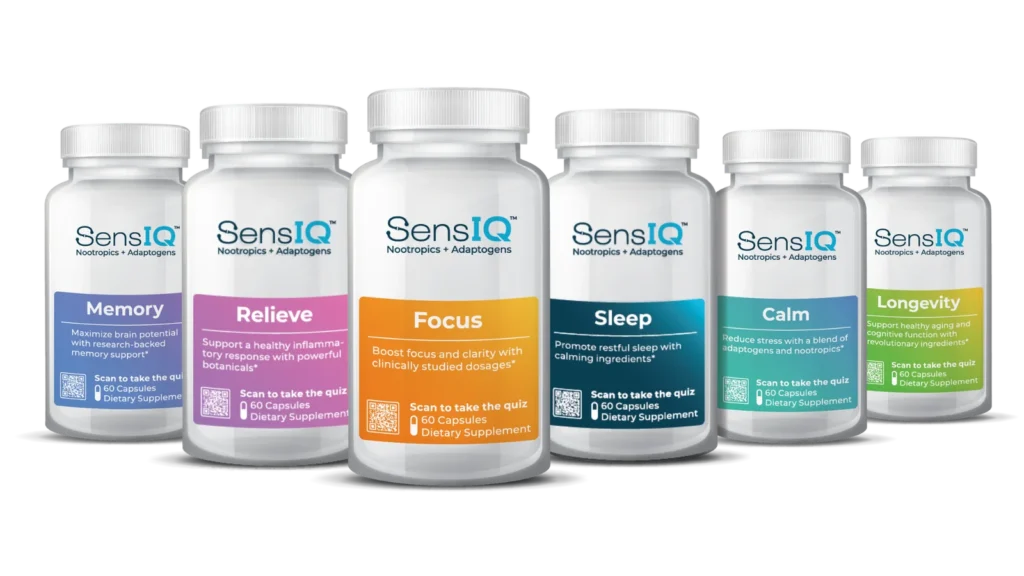
The marketplace includes vitamins, minerals, herbs, fatty acids, and multi-ingredient blends. Formulas differ in purity and label accuracy, so choose brands that offer third-party testing and clear dosing instructions.
Keep a list of all products you take, as interactions with prescription medicines can occur. Bring the list to medical visits for safety review.
What is the best supplement for perimenopause?
There is no single “best” option because symptoms and goals differ. A person focused on sleep may explore different ingredients than someone focused on vaginal dryness. Consider one goal at a time and evaluate whether any product supports that outcome for you. Avoid claims that sound absolute or promise uniform results.²
Vitamins and minerals
Baseline nutrition matters as menstrual cycles become irregular. Many women review their iron status, vitamin D, calcium, magnesium, and B vitamins with a clinician, especially if intake is limited or fatigue is ongoing.
Doses should match blood levels and diet, not generic “more is better” thinking. Excess intake can cause harm, so personalize and review periodically.
Herbal categories
Standard plant-based options include black cohosh, rhubarb extract, and phytoestrogen-containing foods. Research suggests mixed results for supporting comfort related to hot flashes, and quality varies by product and study design.
If you explore herbs, use standardized extracts, avoid combinations with unknown doses, and review possible interactions with your healthcare provider to ensure safety.
Hormone-balancing supplement questions
Products may claim to “balance hormones,” yet perimenopause and menopause are natural transitions, not disorders to correct. Be cautious with endocrine-active compounds or proprietary blends that do not disclose exact amounts.
Discuss any plan with your clinician if you have migraine with aura, a history of clotting, or hormone-sensitive conditions. Safety should stay ahead of perceived benefit.¹
Brain-support formulations
Some formulas combine omega-3 fatty acids, amino acids, and antioxidants that may support cognitive function and help maintain calm focus. Research suggests varied responses depending on individual factors.
Real-world findings, such as those on the impact of focus supplements on graduate students’ performance, show that concentration and energy can fluctuate across users.
Start with sleep and routine first, then decide whether a limited, single-variable trial is worth testing. SensIQ studies brain-related patterns during perimenopause to help individuals better understand typical cognitive changes in this stage.*
Safety, Side Effects, and Evidence Gaps
Safety review belongs at the center of every decision. Nonprescription products can still cause side effects, interact with medicines, or be mislabeled.
Use products from reputable companies that share testing data, check for allergens, and avoid duplicating ingredients across multiple products. Stop and seek care for chest pain, severe headache, heavy bleeding, or persistent new symptoms.
Perimenopause supplements side effects
Reported effects range from digestive upset to sleep changes or headaches, depending on dose and timing. Stimulant-containing products can worsen palpitations or anxiety, especially if combined with caffeine or decongestants.
Herbs can interact with anticoagulants and antidepressants, so cross-check every ingredient. Track the start date of each product to connect new symptoms with timing changes.

Evidence limitations and study quality
Trials often enroll small samples, run for short durations, or use endpoints that make comparisons difficult. Publication bias can overstate benefits when neutral studies remain unpublished.
Many products reach the market before robust head-to-head trials exist. These gaps explain why experts emphasize shared decision-making and personalized approaches, since research suggests responses vary widely.²
Factors affecting individual responses
Responses differ based on sleep, stress, baseline diet, activity, and personal thresholds for side effects. Some people feel better when a supplement supports broader health changes, while others feel no difference.
Culture, access to care, and personal beliefs about medicine also shape experiences. A symptom log helps separate true benefit from background change.
Natural Hormone Support During Perimenopause
Lifestyle inputs can reduce the intensity of specific symptoms and support overall health. Regular movement and strength work address body composition and bone health while improving sleep quality.
A consistent wake time, morning light exposure, and a relaxing nighttime routine may help reduce discomfort related to night sweats. Combine these with balanced meals that include protein, fiber, and plant foods.
Lifestyle factors that influence symptoms
Alcohol, late meals, and warm bedrooms can worsen sleep disruption and temperature sensitivity. Gentle movement after dinner and a cool, dark room often help. Plan hydration earlier in the day to reduce awakenings. Small, consistent habits usually work better than broad, unrealistic goals.
Sleep, stress, and metabolic patterns
Stress reactivity can feel higher during perimenopause, so short, repeatable calming tools matter. Try brief breathwork, short walks, or journaling to mark daily closure. Stabilize meals to prevent significant blood sugar swings that affect sleep and mood. These steps also help maintain stable energy throughout the afternoon.
When to consult a clinician
Seek medical input for heavy bleeding, skipped periods followed by prolonged bleeding, or any symptom that limits daily function. Bring a list of medicines and supplements, including dosages.
Ask about iron studies, thyroid function, blood pressure, and individualized options if symptoms persist. Collaborative care reduces risk and improves clarity.
Evaluating Claims About Perimenopause Supplements
Approach claims with a few quick checks. Ask whether the outcome measured in a study matches your goal and whether participants resembled you in age, health, and baseline symptoms.
Confirm the exact dose and form used in the research before comparing it to a retail label. Prefer reviews from medical organizations or systematic analyses when possible.
Reading research carefully
Look for randomized controlled trials, clear primary endpoints, and follow-up beyond a few weeks. Distinguish between statistically significant and clinically meaningful results, since small changes may not matter daily. Watch for conflicts of interest and replication. One small positive trial rarely settles a question.
Identifying marketing language
Be cautious with words like “best,” “balance,” or “clinically proven” without linked research. “Natural” does not always mean safe, and “extra strength” does not mean better.
If a label hides doses in a proprietary blend, you cannot judge exposure or interactions. Avoid combining products that influence similar pathways unless advised by your clinician.
Key terms you may see during this transition
Perimenopause describes the years before the final menstrual period, when cycles may shorten, lengthen, or skip. Many people use “perimenopause and menopause” together to describe the midlife hormonal transition, yet menopause is defined as 12 months without a period.
Symptoms such as hot flashes, night sweats, and vaginal dryness can appear as hormone levels shift. Tracking patterns across several months helps connect experiences to lifestyle or stress factors.
Practical checklist before trying a product
- Define one priority symptom and how you will measure change.
- Confirm ingredients, doses, third-party testing, and timing.
- Check interactions with your medicines and conditions.
- Set a trial period, such as 6–8 weeks, with start and stop rules.
- Reassess the costs, benefits, and side effects, then decide whether to continue.
Notes on specific ingredients and formats
Some people use omega-3 fatty acids to support emotional well-being or general wellness, choosing products that meet quality standards.
Others review amino acids or minerals within nutrition plans that already emphasize whole foods. At the same time, some explore nutrients like creatine, discussed in the best creatine supplement, for cognitive and muscular support in midlife.
If you eat largely plant-based, discuss protein sources and micronutrient needs with a clinician or dietitian. Any new dietary supplement should fit into a simple, sustainable routine.³
About clinical leadership
Dr. Luke Barr, Chief Medical Officer at SensIQ, focuses on clear, clinically responsible guidance aligned with current standards. His work emphasizes patient education, shared decision-making, and careful interpretation of emerging data.
SensIQ appears here as context for ongoing research and teaching, not as a treatment program.
References
- Smith-Ryan AE, DelBiondo GM, Brown AF, Kleiner SM, Tran NT, Ellery SJ. Creatine in women’s health: bridging the gap from menstruation through pregnancy to menopause. J Int Soc Sports Nutr. 2025 Dec;22(1):2502094. doi: 10.1080/15502783.2025.2502094. https://pubmed.ncbi.nlm.nih.gov/40371844/
- Kachko VA, Shulman LP, Kuznetsova IV, Uspenskaya YB, Burchakov DI. Clinical Evaluation of Effectiveness and Safety of Combined Use of Dietary Supplements Amberen® and Smart B® in Women with Climacteric Syndrome in Perimenopause. Adv Ther. 2024 Aug;41(8):3183-3195. doi: 10.1007/s12325-024-02910-0. https://pubmed.ncbi.nlm.nih.gov/38904899/
- Mayo Clinic. (2025). Perimenopause. Mayo Foundation for Medical Education and Research. https://www.mayoclinic.org/diseases-conditions/perimenopause/diagnosis-treatment/drc-20354671
*These statements have not been evaluated by the Food and Drug Administration. This product is not intended to diagnose, treat, cure, or prevent any disease.specific